(August 2024 update)
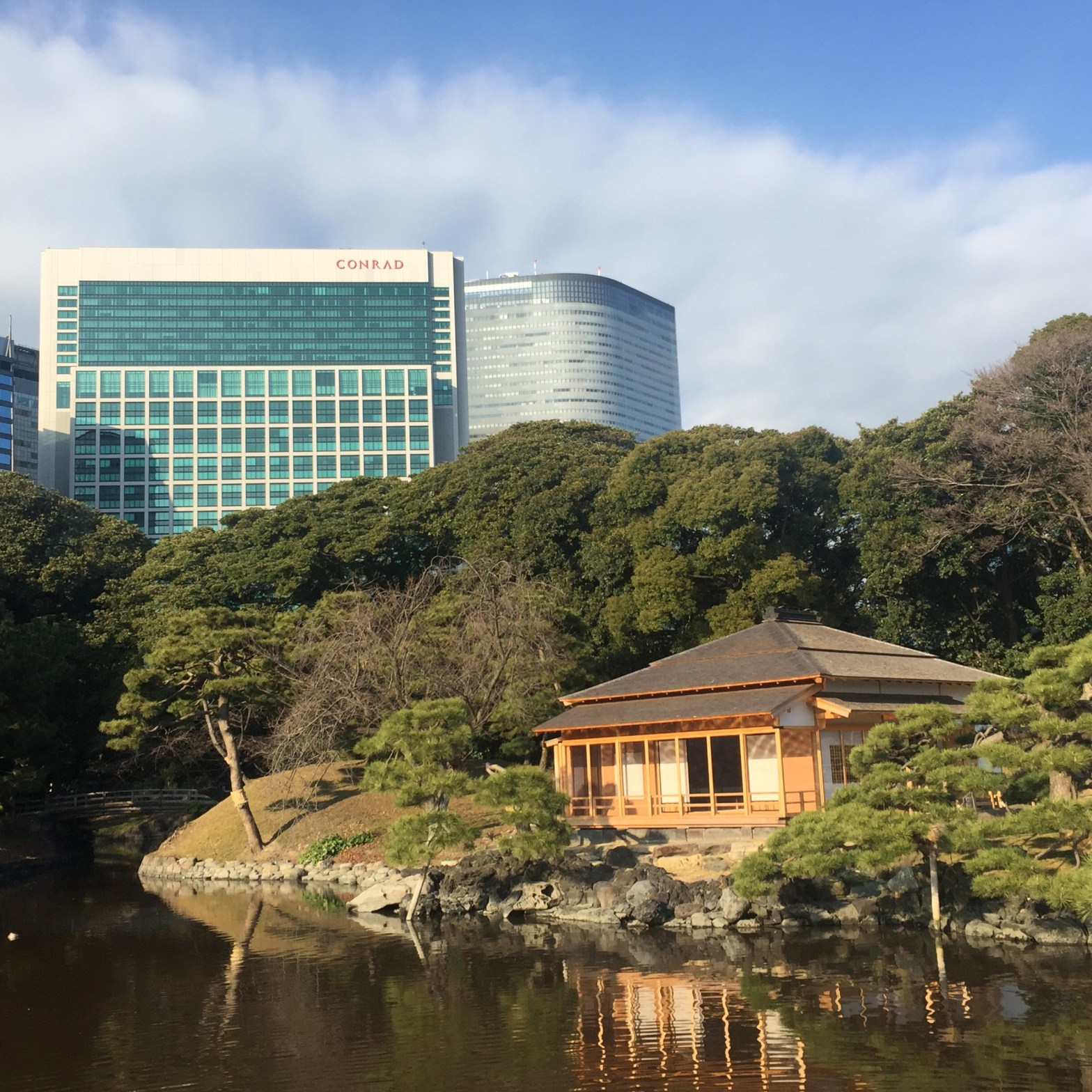
If you find yourself in the bustling Ginza district, a short stroll leads you to a much-needed escape from the crowds. Passing through the stone-walled gates of Hamarikyu Gardens, the world seems to slow its pace. The manicured lawns stretch out before you, offering a serene oasis in the heart of Tokyo. Time feels suspended here, in this slice of reclaimed land by Tokyo Bay. It’s been eight years since my last visit, and remarkably, it remains one of the few places where the skyline in the backdrop remains unchanged. So, too, does the entrance fee—still a modest 300 yen, a testament to how the whispers of inflation have yet to reach the shores of this serene haven.
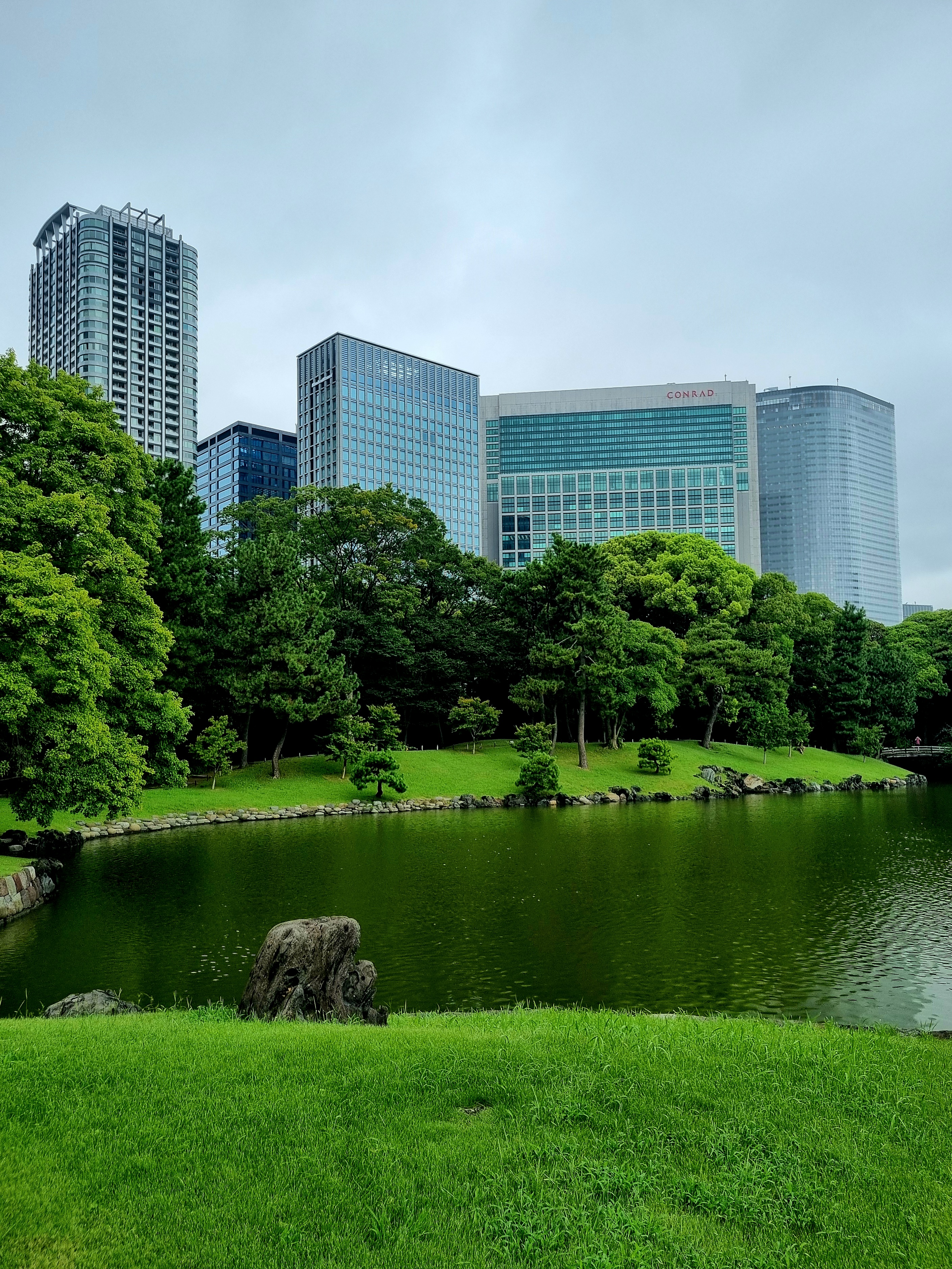
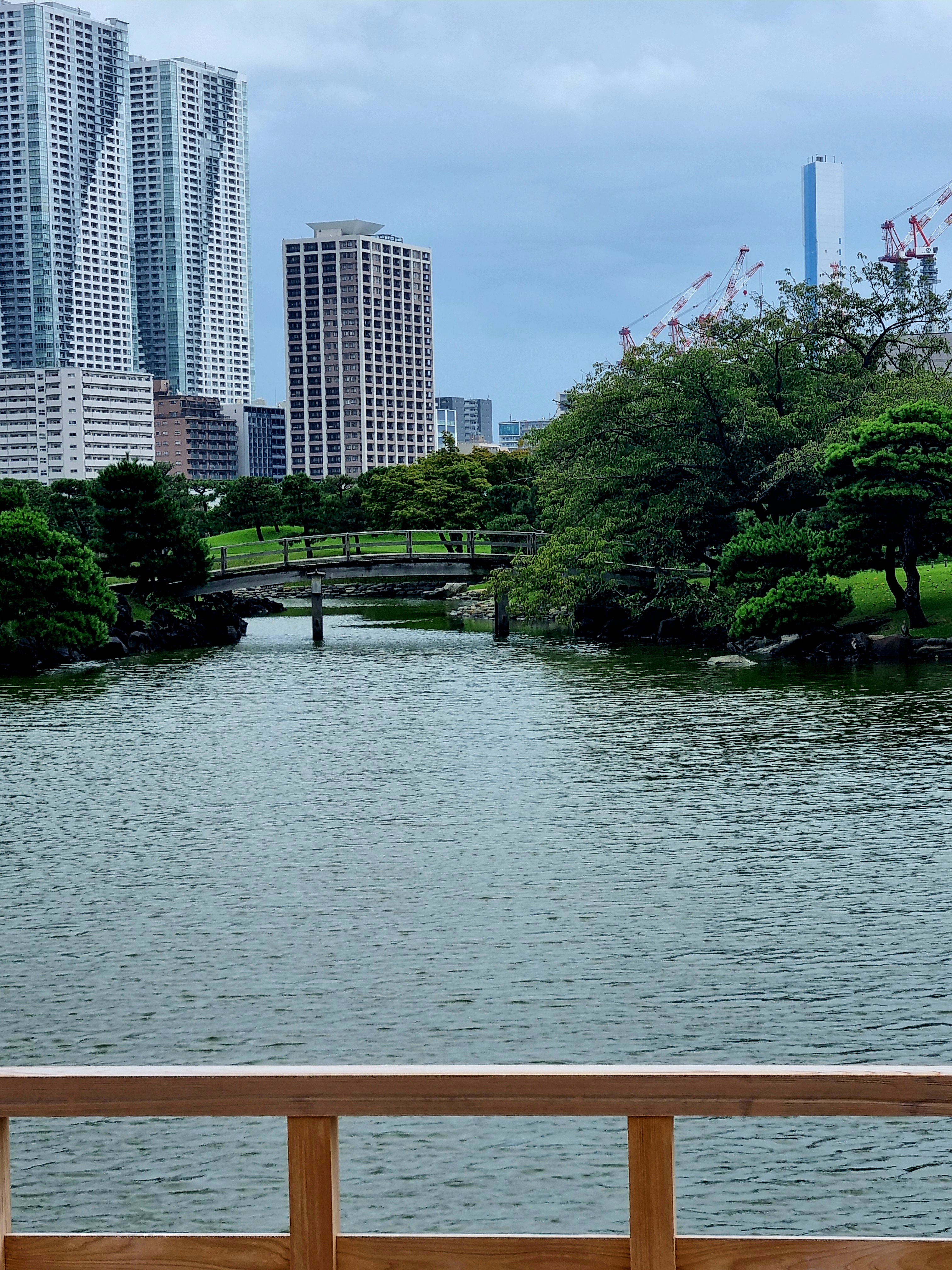
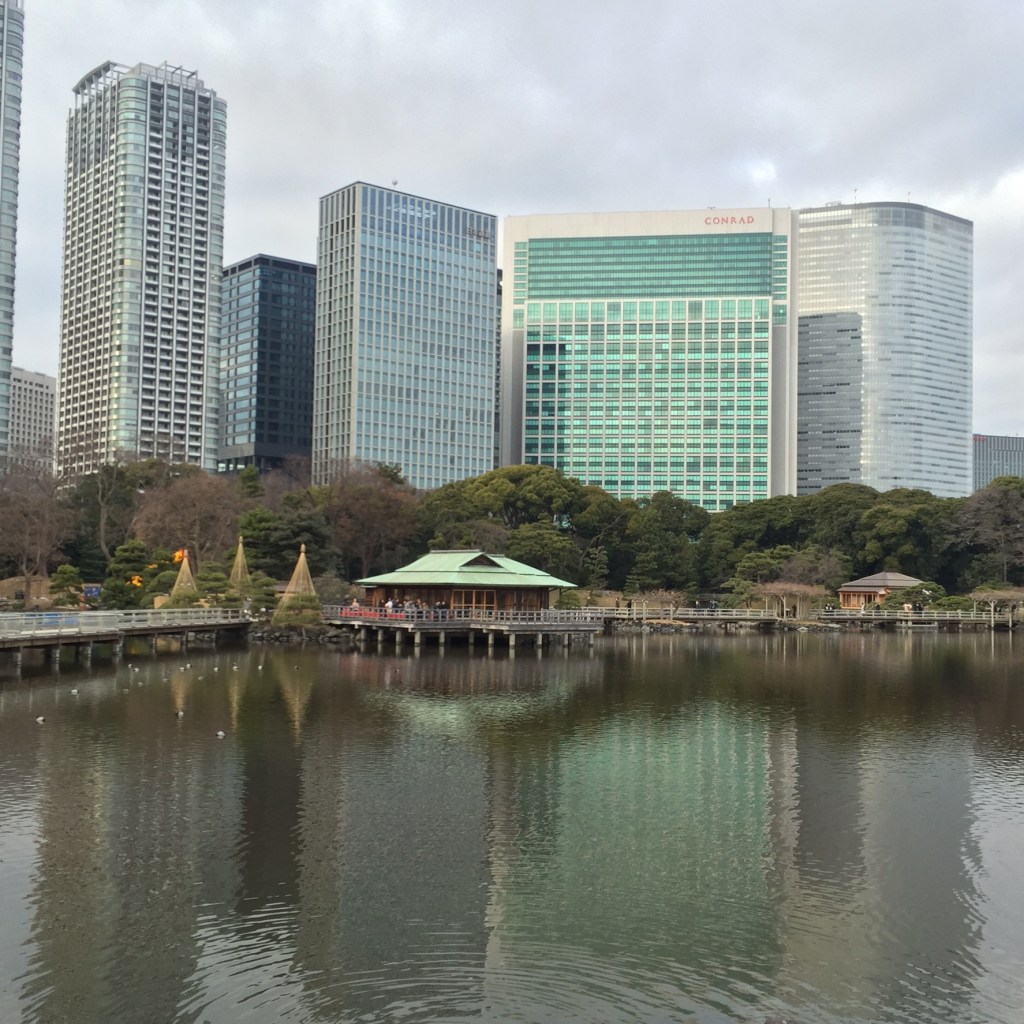
There’s the vast gardens of Imperial Palace and bustle of joggers and dance groups in Meji Jingu/Yoyogi Park but Hamarikyu Gardens hold its own with its classic Japanese aesthetics and tranquility. Even on the most pleasant public holidays, Hamarikyu is sparsely populated and devoid of tourists. The garden’s placement at the foot of Shinbashi monoliths of sky scrapers (a special shout out to the noticeably ugly Dentsu building) and on the shores of Tokyo bay give it a uniquely contrasting back and fore-drop and quietly dramatic atmosphere.

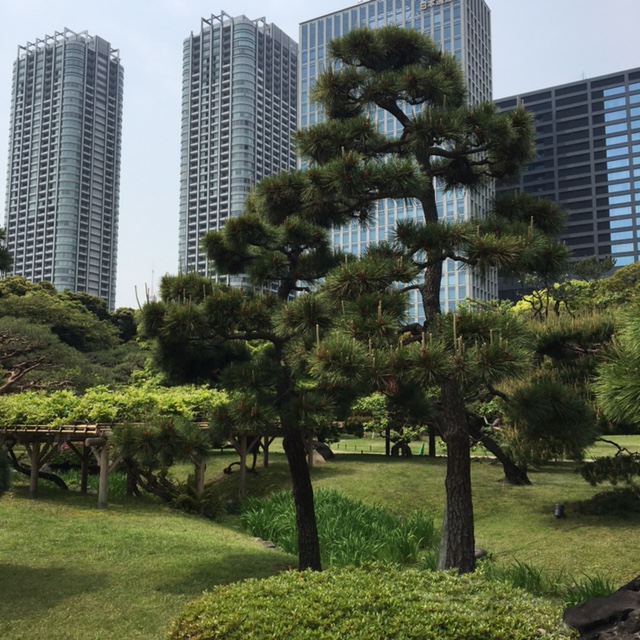
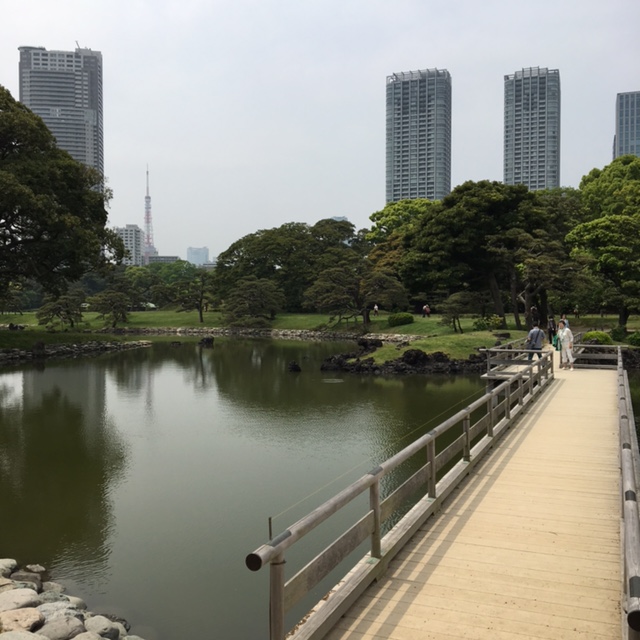
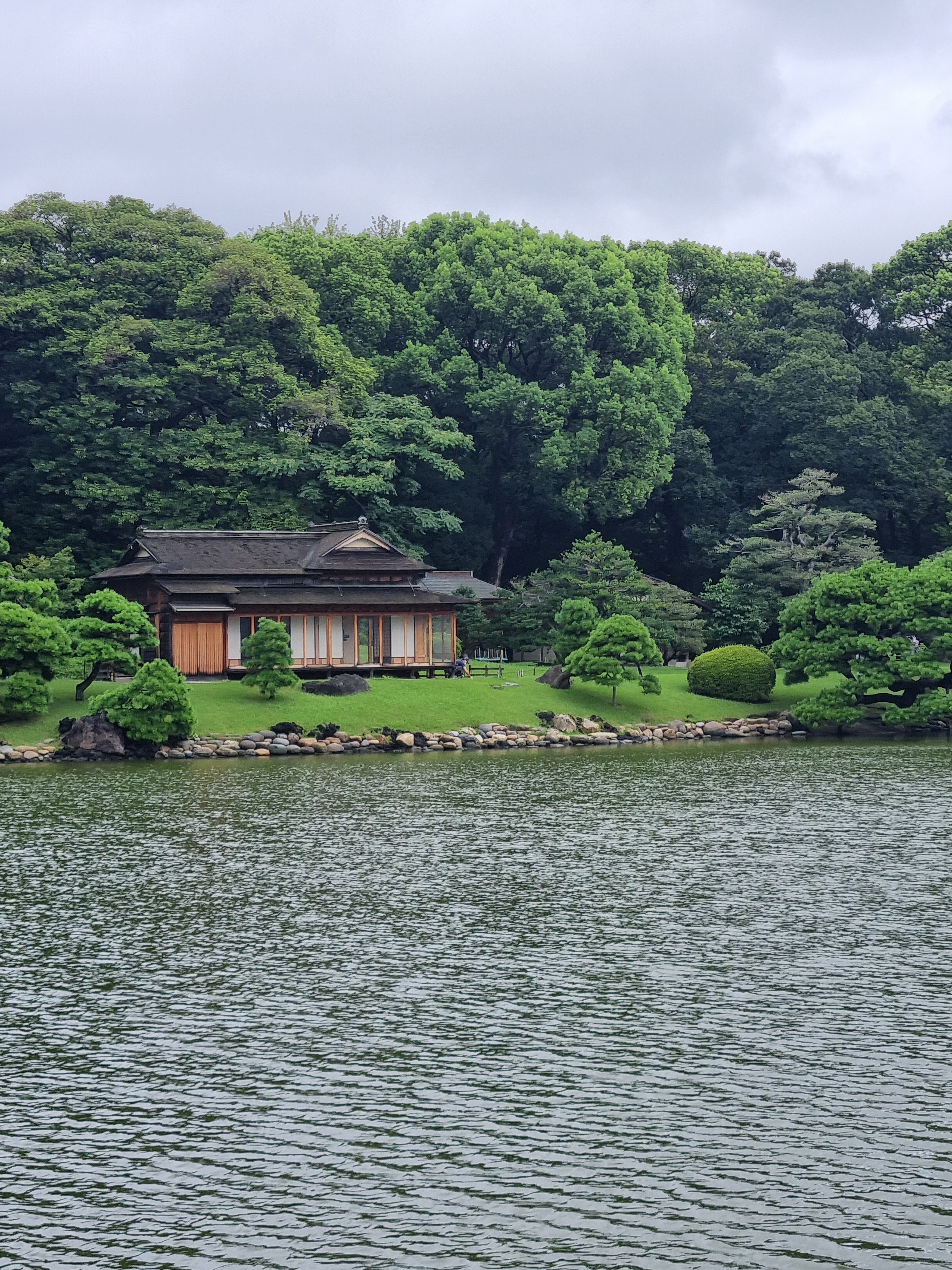
Manicures gardens accentuated by stunted growth of pine trees ooze Edo period style and the two duck hunting ponds add to the charm. The main pond was designed to draw in sea water from Tokyo Bay and change appearance as the tide ebbs and flows. Lock gates open and close according to the water levels of Tokyo Bay to adjust the rise and fall of water in the pond. Salt water fish (mullets, sea bass, goby and eel) abound in the pond.
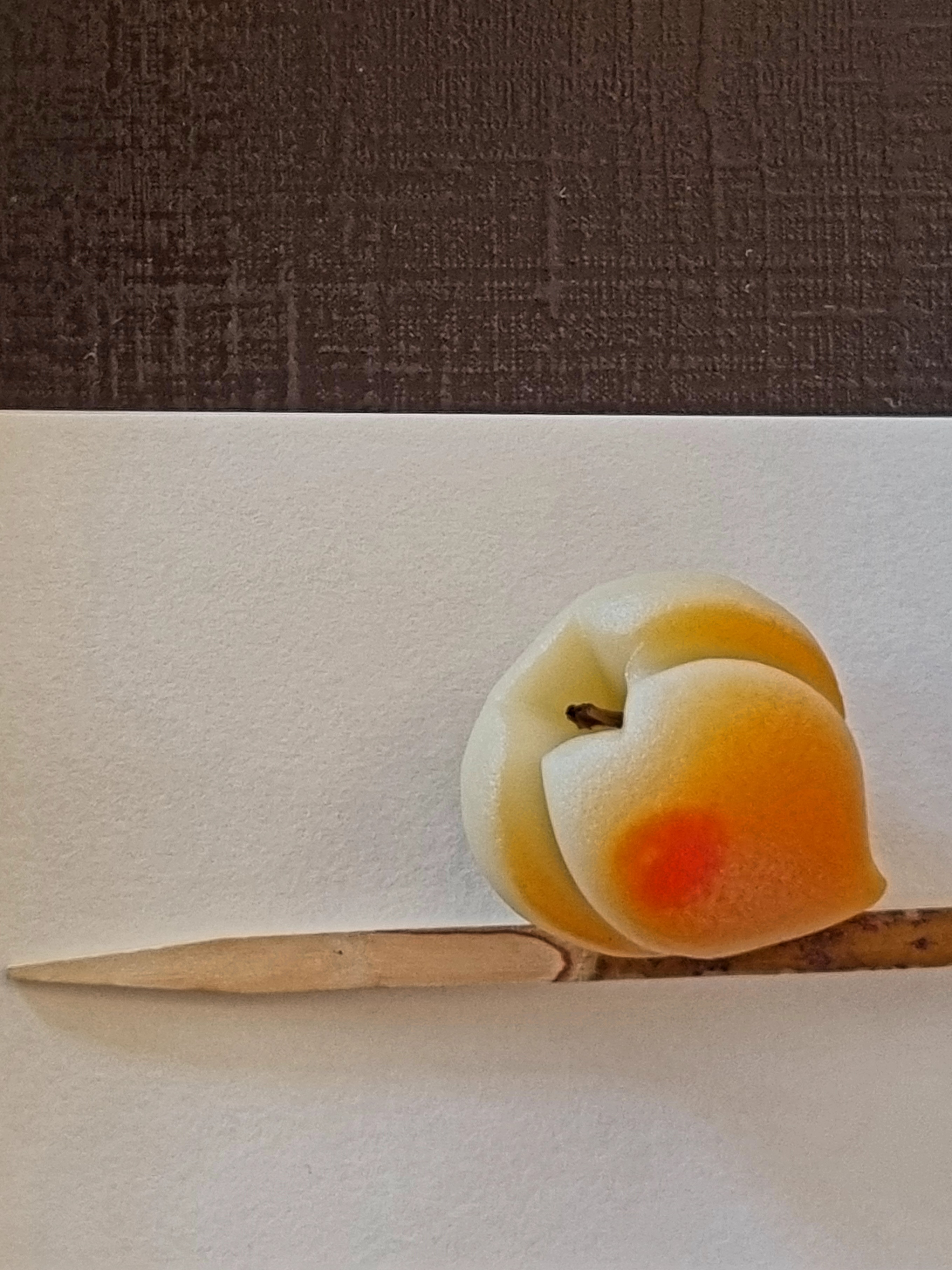
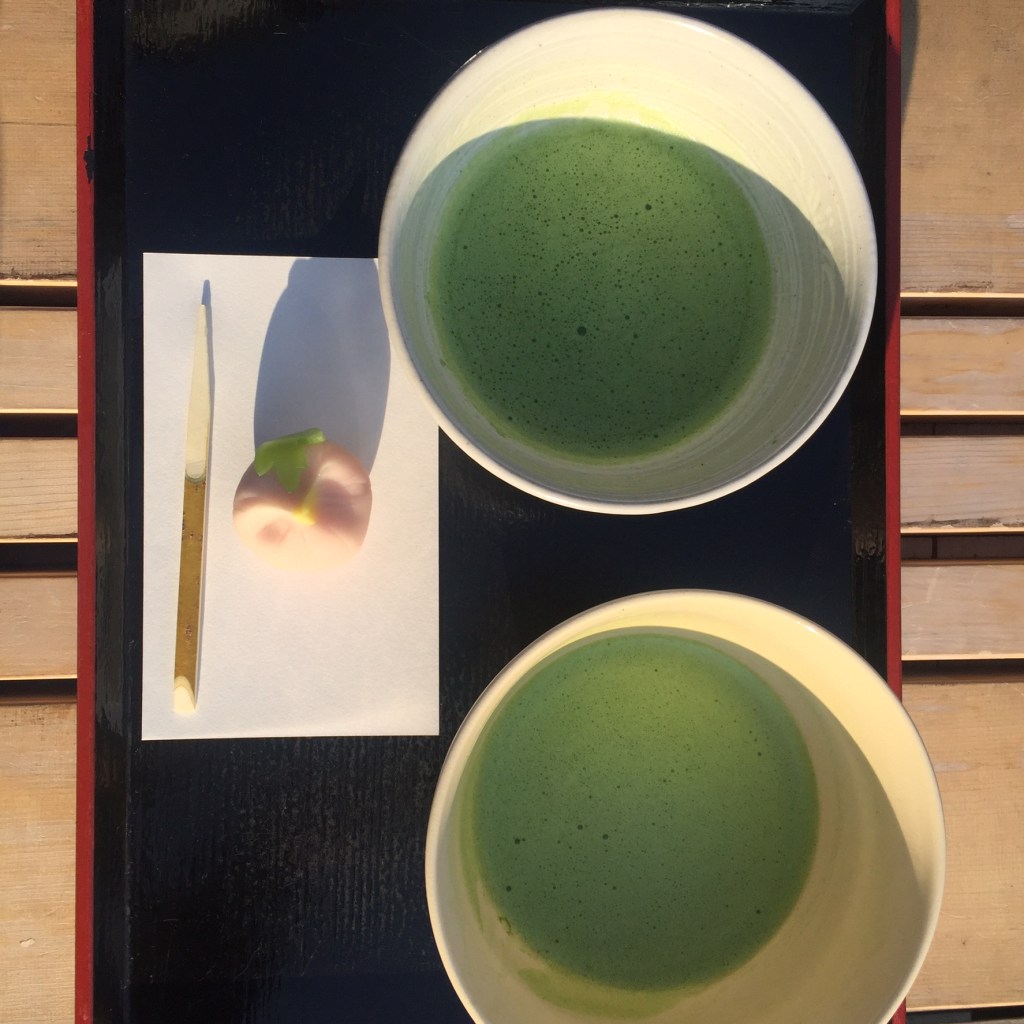
Nakajima Ocha-ya (Nakajima tea house) floating on one of the duck ponds serves up matcha paired with Japanese sweets and Matcha here is served with cappuccino-like foam. It must be the sifting and whisking… and the correct matcha to water ratio. Absolute beauty.
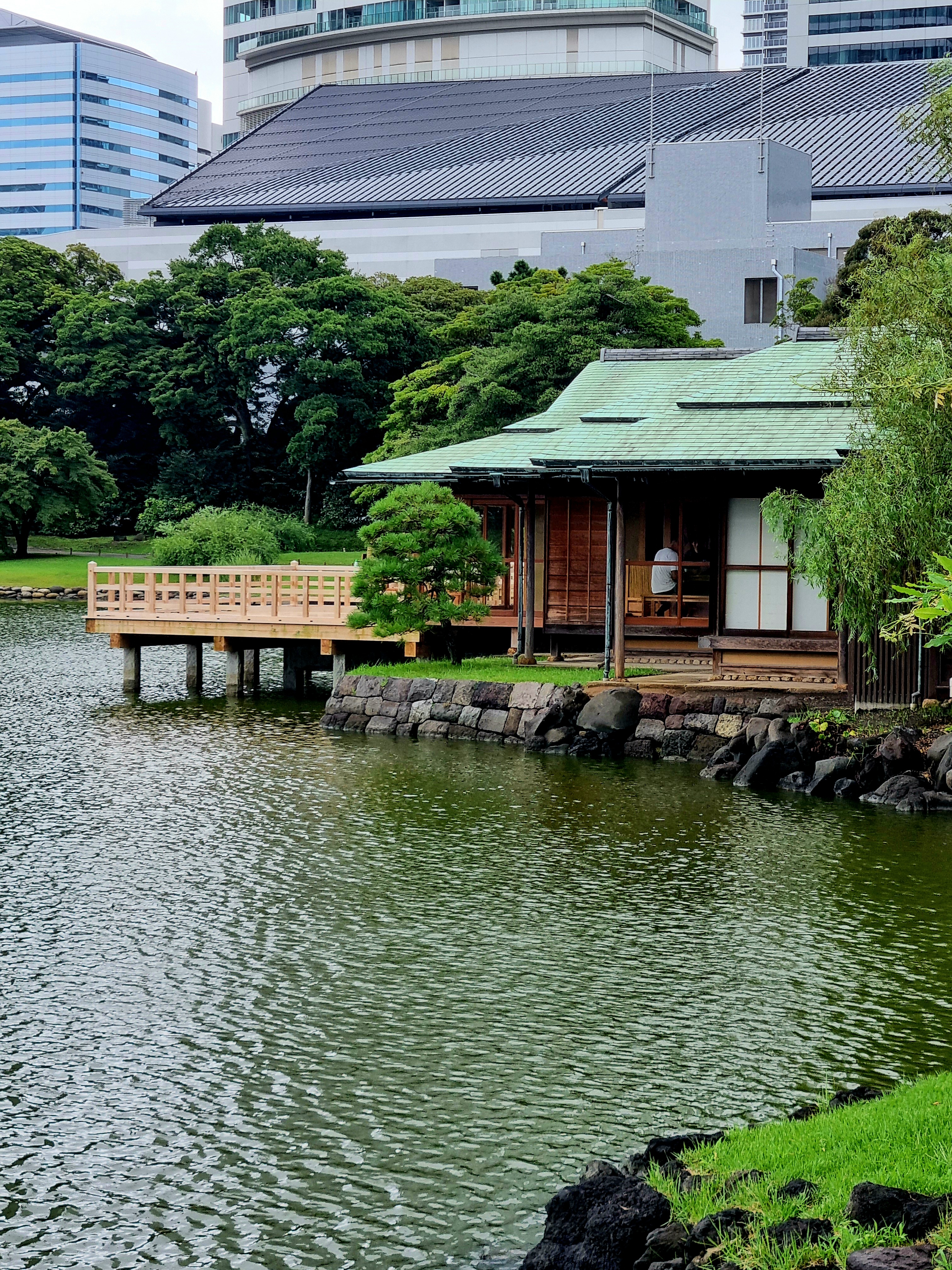
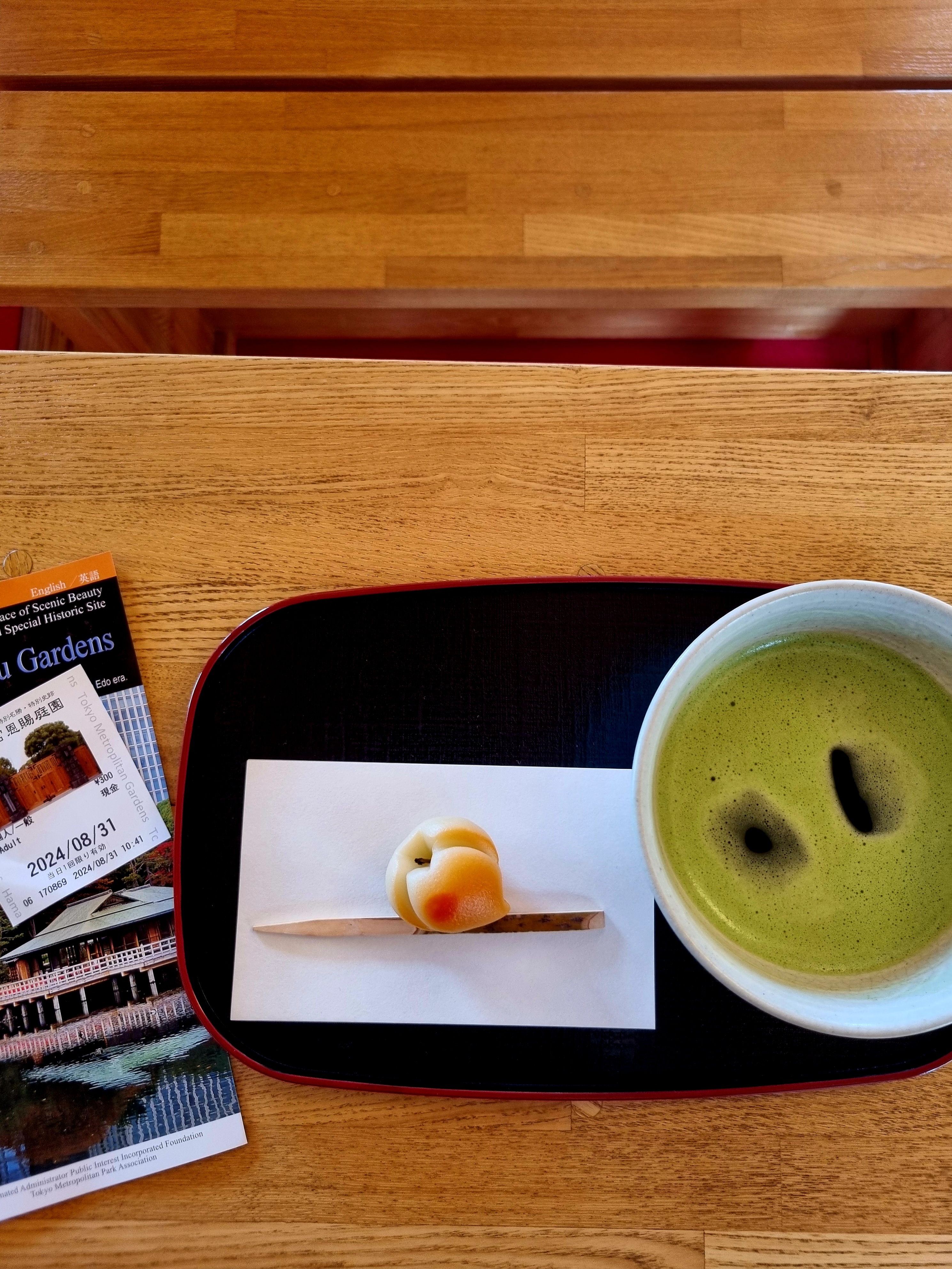
Hamarikyu originates from the 17th century Tokugawa Shogunate private residence. It served as the outer fort for Edo Castle with tidal pond of sea water drawn from Tokyo Bay and two duck hunting grounds. After the Meiji Restoration the garden became a Detached Palace for the Imperial family and in 1945 the Imperial family gave the garden to the City of Tokyo to be open to the public.
Y300 entrance fee, 10 minutes walk from Shinbashi St. (JR, Ginza & Asakusa Line), Open Everyday
 Normal .